Preserving The Legacy For Generations

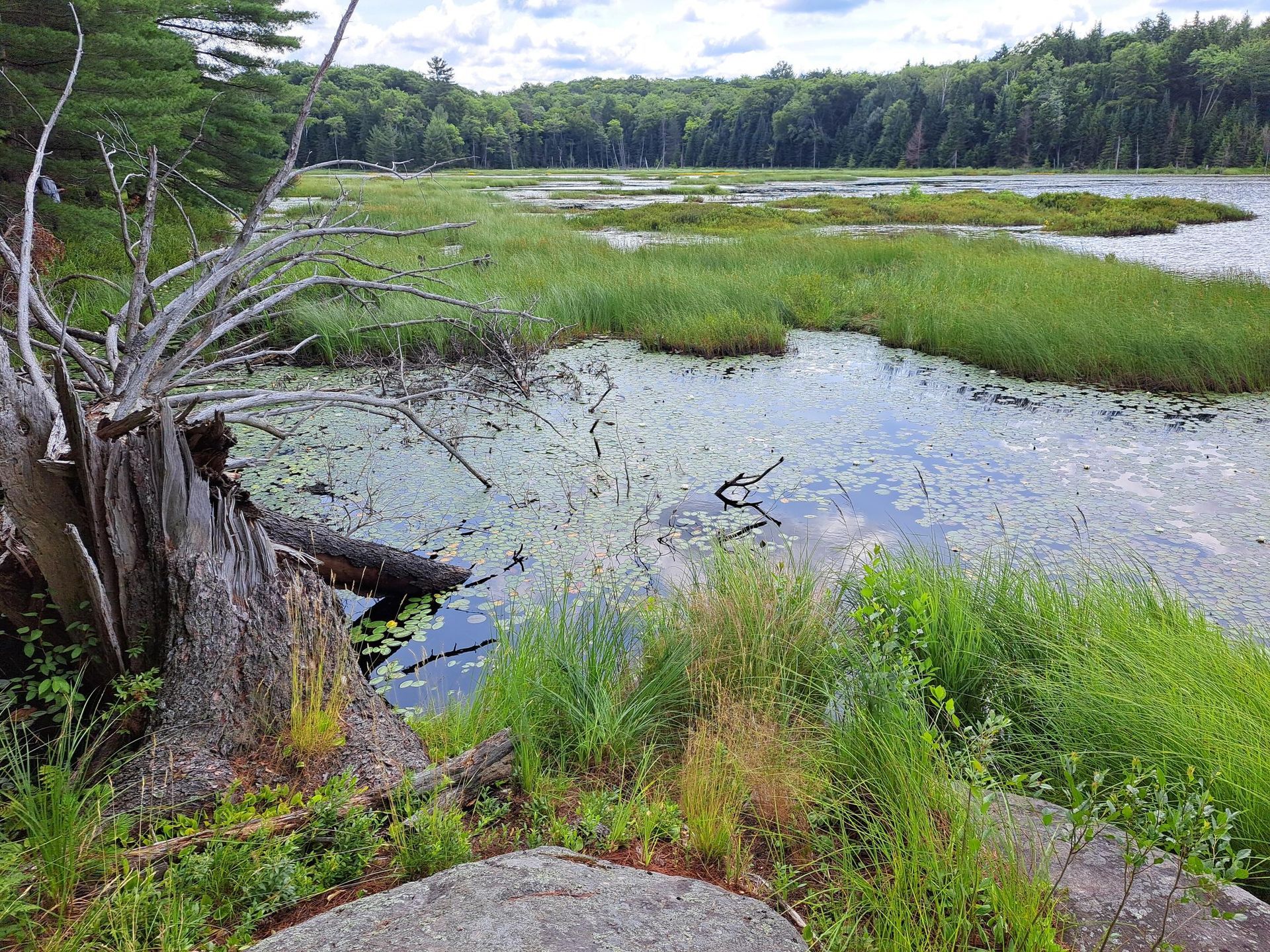
The Lake of Bays Heritage Foundation is a non-profit organization committed to engaging the community in the preservation of the natural and community heritage of the Lake of Bays region.


Founded in 1985, the Foundation is an official land trust and registered charity with motivated volunteers providing educational material, nature events, and documenting community histories. The Foundation encourages the protection of our natural heritage through voluntary stewardship, conservation easements, land donations and land acquisitions.

MORE ABOUT US

PROTECTING  

NATURAL HERITAGE

The Foundation focuses its efforts on engaging the community in protecting our natural heritage through educational material, nature events, and voluntary stewardship actions. We are an official land trust accepting land donations, holding conservation easements and advising our members about government conservation programs.

FIND OUT HOW

PRESERVING

COMMUNITY HERITAGE

Lake of Bays is blessed with many older cottages, buildings and churches. In addition to their historical significance and role as a window on our past, these structures add character and charm to our villages of Baysville, Dorset and Dwight as well as the communities of cottage families who have summered together for many generations.

FIND OUT HOW

What's Happening

Bloodroot
April 28, 2026
By Mark McLean Spring brings a quiet renewal of life after a long winter. As the snow melts in April and before the trees leaf out, the forest floor comes alive with the first wildflowers. These are known as spring ephemerals. They bloom, are pollinated, set seed, and go dormant within a short window, before the forest canopy fills in and limits the light reaching the ground. Their survival strategies are as fascinating as their beauty. Many ephemeral seeds are dispersed by ants, which collect them for their protein-rich coating and later discard them in their nest compost, a nutrient-rich environment that provides an ideal place to grow. These early blooms also play a vital role in supporting pollinators. Bumblebees, mason bees, mining bees, hoverflies, and bee flies are among the first insects to emerge, relying on these flowers for nectar and pollen. Butterflies such as mourning cloaks, which overwinter as adults, also depend on these early food sources. Some trees, including red and silver maple, flower at this time as well, providing an important early source of nectar. By May, familiar favourites like trilliums are in bloom. Around the same time, wild leeks, stinging nettles, dandelion greens, and morel mushrooms begin to appear.  You can spot many of these species at Marsh’s Falls Nature Reserve in early spring. Protecting forests like these helps ensure that spring ephemerals and the pollinators they support continue to thrive across the Lake of Bays region.
By Tracey Macey March 28, 2026
Join us for our annual Dr. Cathy Charles Bird Count at the Marsh's Falls Nature Reserve Saturday, May 2, 8:00AM to noon.
January 13, 2026
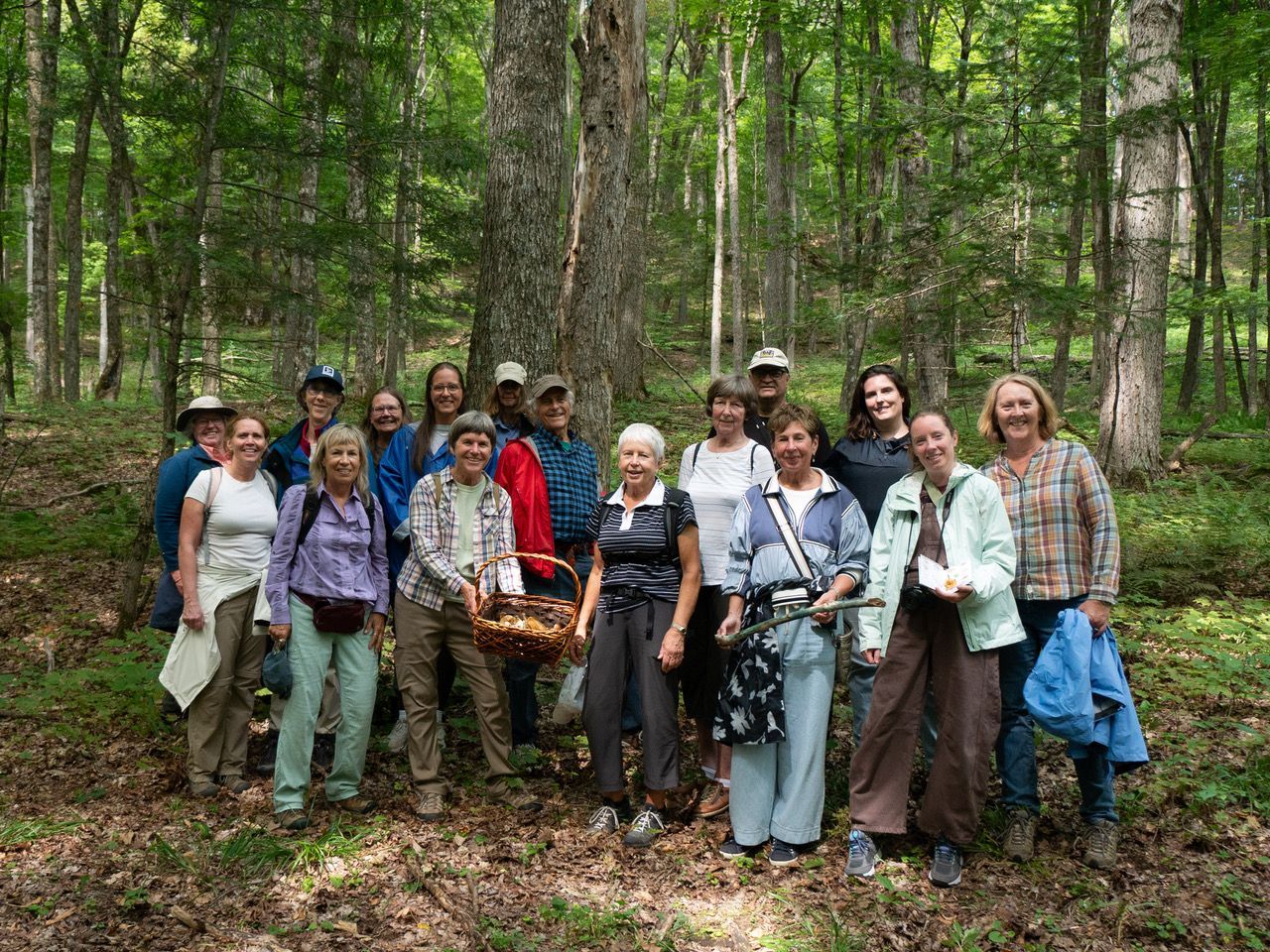
By Mark McLean Mushrooms can appear from early spring through late fall, but August and September are typically when the greatest diversity of species is found in Muskoka’s forests. The mushrooms we see emerging from the forest floor are the fruiting bodies of fungi that live underground. The unseen part of the organism consists of a vast network of thread-like structures called hyphae, collectively known as the mycelium. Most of these mushrooms are mycorrhizal, meaning their hyphae have formed a connection with the roots of plants including trees. Through this connection, the fungus receives carbon produced by the plant through photosynthesis, while the plant gains access to essential nutrients such as phosphorus and nitrogen, which the fungus is able to break down and extract from the soil. This mutually beneficial exchange depends on one critical factor: water, which acts as the medium that allows nutrients to move between partners. From July through October of 2025, Muskoka received only a fraction of its usual precipitation, combined with periods of unusually high temperatures. As a result, plants shifted into survival mode. While older trees can often endure short-term drought, younger trees may struggle. Because mushrooms consist of up to 95% water, dry conditions dramatically reduce the ability of the fungus to form fruiting bodies. When water is scarce and plants stop sharing resources, fungi simply do not produce mushrooms. These conditions were clearly reflected during the August mushroom forays in 2025. Compared to the previous two years, approximately 60% fewer mushroom species were observed—a striking illustration of how closely fungi are tied to moisture levels and forest health. Most of the mushrooms that were found last year were growing on living or dead trees and most of those were polypores. Here are a few examples of polypore mushrooms.
By Tracey Macey October 8, 2025
Westermain Woods Inc. donates 350 acres to the Lake of Bays Heritage Foundation for protection in perpetuity.

You Can Help Too!

Donate Icon

DONATE

SUPPORT OUR FOUNDATION

Your donation enables us to acquire natural heritage properties, take care of the land we already own and manage, and advocate for the protection of natural heritage values around the Township. There are many ways to donate.

Join Icon

JOIN

BECOME A MEMBER

By becoming a member, you take a direct role in protecting the heritage of our community. Your membership donation makes our work possible and contributes to the protection of our rich heritage.

Volunteer Icon

VOLUNTEER

HELP PRESERVE THE LEGACY

Getting personally involved in protecting our heritage for future generations is fun, interesting and rewarding. There are many ways to contribute. We welcome your help!