
Deer Ticks on the Rise: What You Need to Know
Deer Ticks on the Rise: What You Need to Know
By LBHF volunteer Mark McLean
With climate change, these critters are moving north. The Black-legged Tick, which can carry Lyme disease, has expanded its range into Canada and is now well established in many parts of Ontario, including Muskoka. Cases of Lyme disease have been growing annually, with increasing numbers reported throughout cottage country.
Milder winters and longer growing seasons have helped Black-legged Ticks expand their range northward. In the past, cold winter temperatures limited their survival in many parts of Ontario. Now, with our warmer winters, ticks can wake up and seek a host whenever the temperature rises above 4 degrees C.
Understanding Deer Ticks
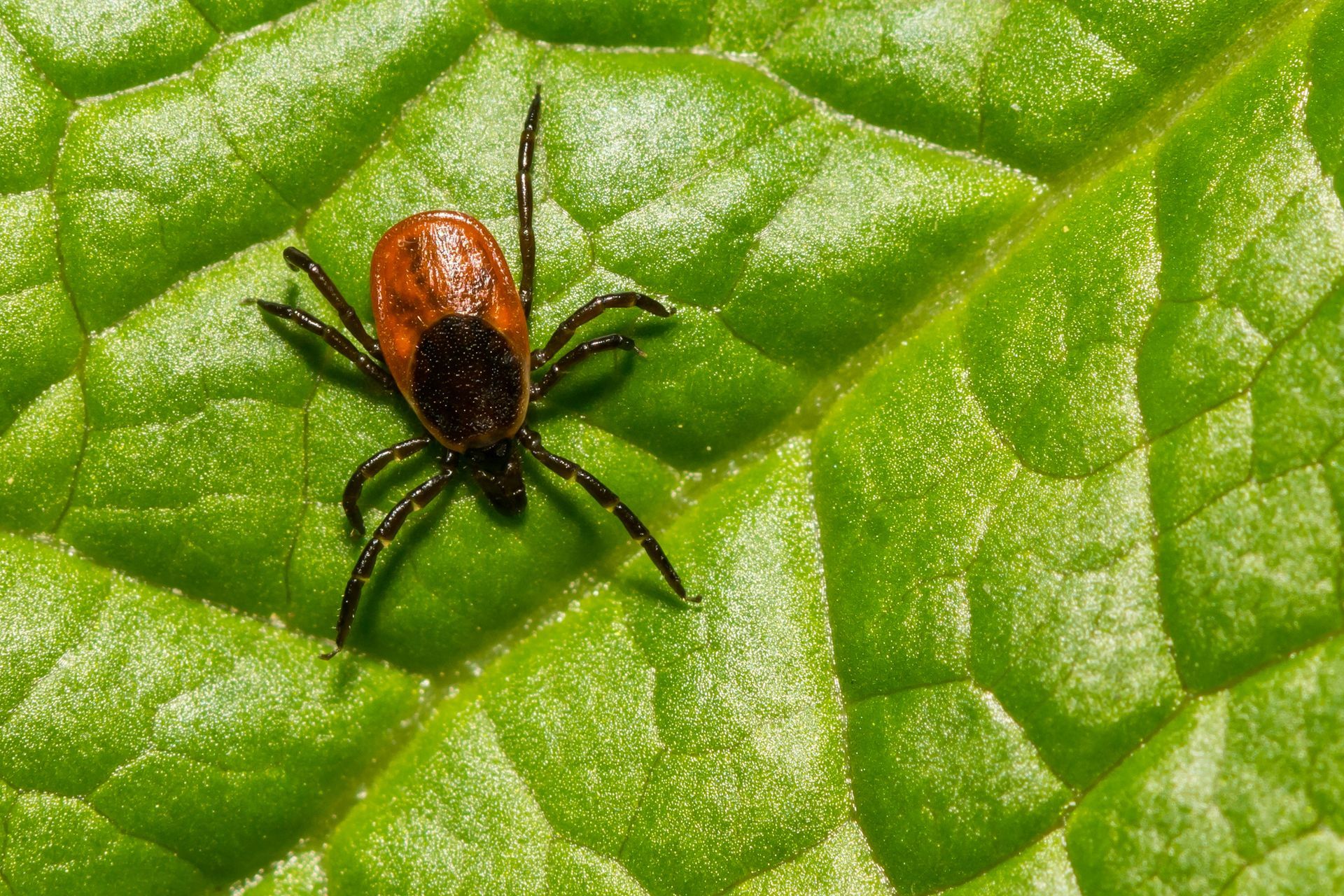
Ticks start as larvae and take their first blood meal from small rodents such as mice. This is how they can become infected with the bacteria that causes Lyme disease. They are able to transmit and spread the disease for the remainder of their lifetime. From an egg they become larvae, then they develop into nymphs which are poppy seed size, and later into adults in a life span of about two to three years.
As adults, they commonly take up White-tailed Deer as their host, which is how they earned the name "deer tick." Because Lyme disease can have serious long-term health effects, it is important to take precautions when spending time outdoors.
Protecting Yourself Outdoors
If you are going for a walk in the woods or through a meadow, be sure to tuck your pants into your socks. Wearing a long-sleeved shirt tucked into your pants is also recommended.
Adult ticks crawl up vegetation until they are at the right height to grab onto a passing host. They may latch onto your clothing and begin moving upward in search of the warmest areas of the body. An adult tick is tiny, about the size of a sesame seed, so it can be difficult to spot.
It helps to wear light-coloured clothing so that you can see ticks on your clothing when you return from your walk. After spending time outdoors, do a full-body tick check. Pay particular attention to your armpits, groin area, behind your knees, around your waist, and along your hairline.
Removing a Tick
If you find a tick embedded in your skin, it can be removed with tweezers. Gently grasp the tick behind its head and pull straight out.
CanLyme also recommends placing the tick in a small container, such as a prescription bottle, and storing it in the freezer. If you then experience suspicious symptoms, the tick can then be tested for Lyme Disease and the patient quickly diagnosed and appropriate treatment started.
Tick Repellents
Insect repellents containing DEET are often recommended to deter ticks, but these products are generally more effective against flying insects such as mosquitoes and blackflies.
Permethrin-treated clothing is an effective deterrent. While DEET will give a tick "hot feet," permethrin attacks the nervous system of the tick, causing it to fall off.
Learn More
For additional information about ticks, Lyme disease, prevention, and tick safety, visit:
- CanLyme (Canadian Lyme Disease Foundation)
- Kick the Tick
- Government of Ontario – Lyme Disease
- eTick (Ontario Tick Identification Program)
As deer ticks become more common in the Lake of Bays region, awareness and prevention remain the best tools for safely enjoying the outdoors.
Photo: Black-legged Tick (also known as a deer tick). Photo by Jason Ondreicka / Dreamstime.