Resources - Natural Heritage
Filter By:
All Resources | Natural Heritage | Community Heritage | Shoreline & Property Protection | Tax Relief | Tours & Guides | Watershed & Wetlands
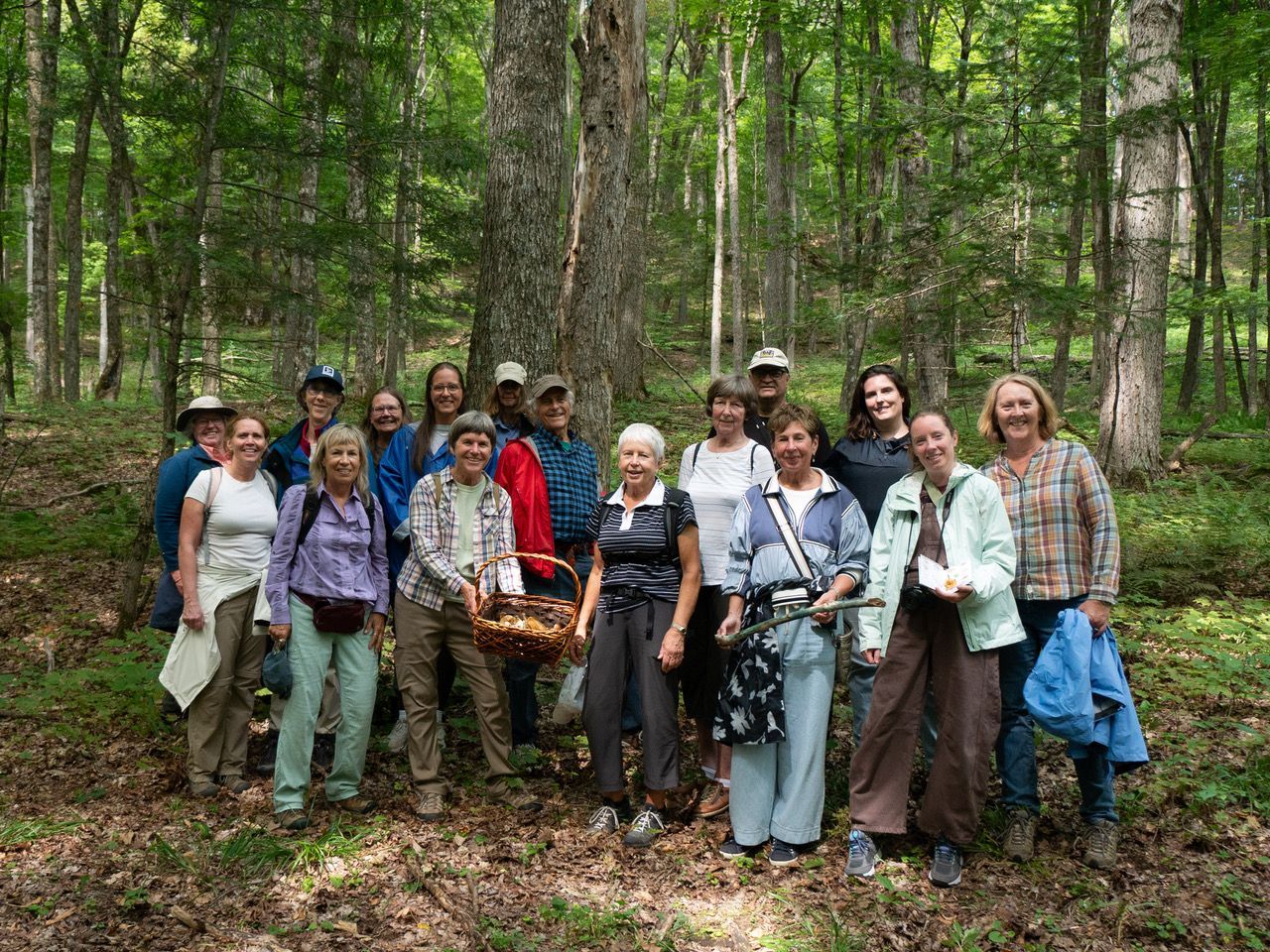
Our two August Mushroom Forays revealed an extraordinary variety of fungi in the forests around Lake of Bays.
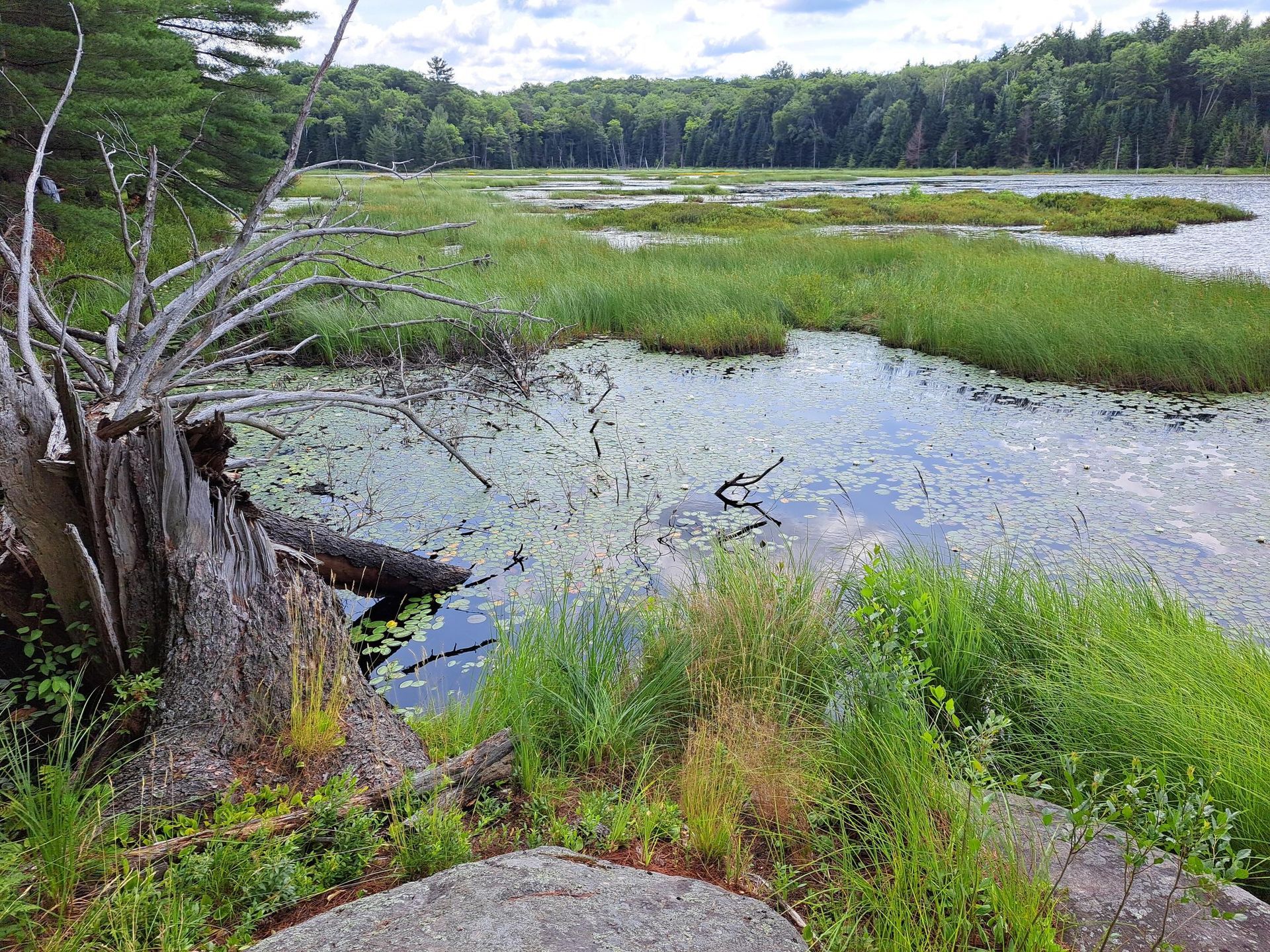
Lake of Bays Heritage Foundation Permanently Protects 107-Acre Marianne Girling Nature Reserve.
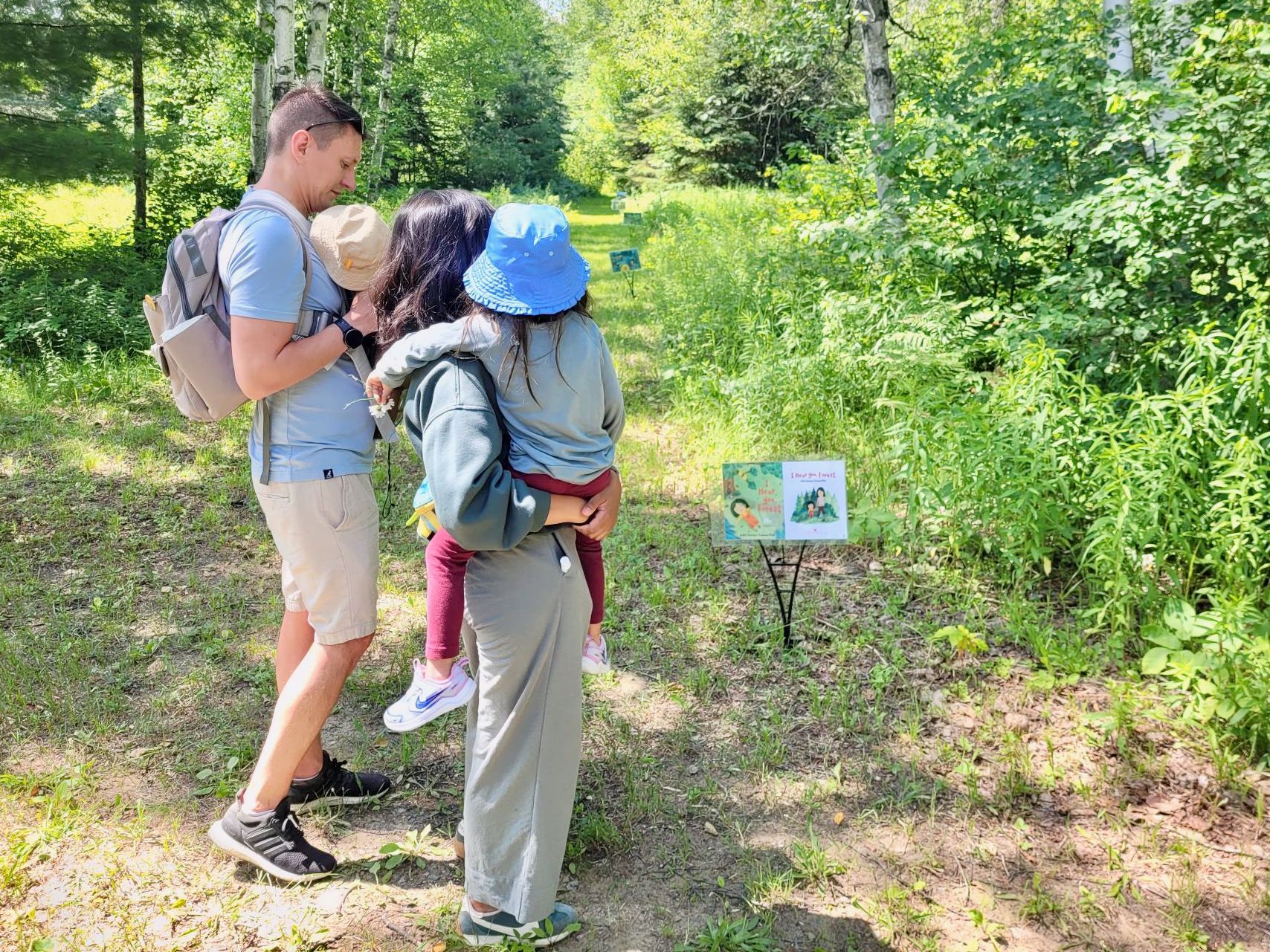
Each summer, the Marsh's Falls Nature Reserve Book Walk features a new children's story for families to enjoy while exploring the forest.
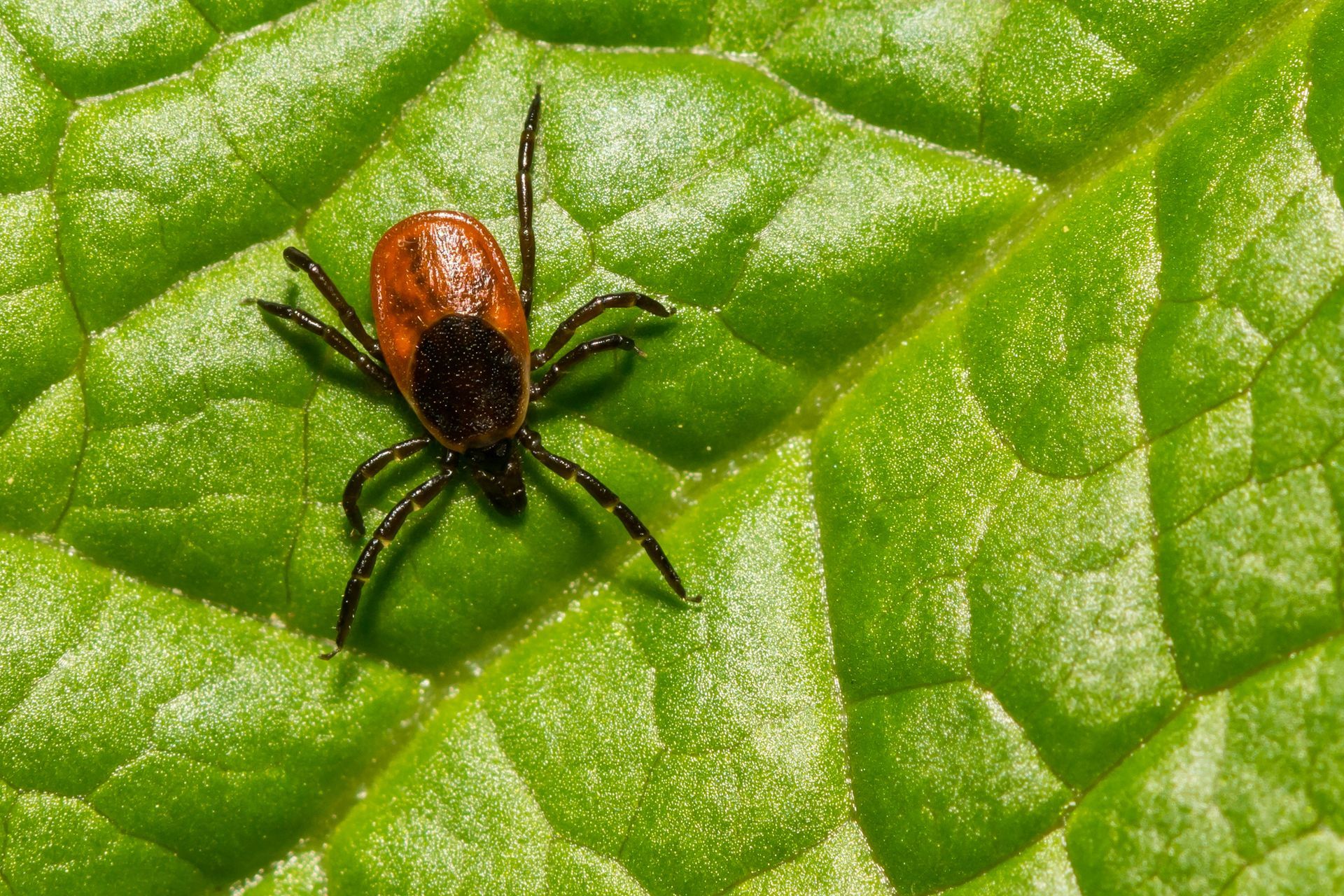
With climate change, these critters are moving north. The Black-legged Tick, which can carry Lyme disease, has expanded its range into Canada and is now well established in many parts of Ontario, including Muskoka.
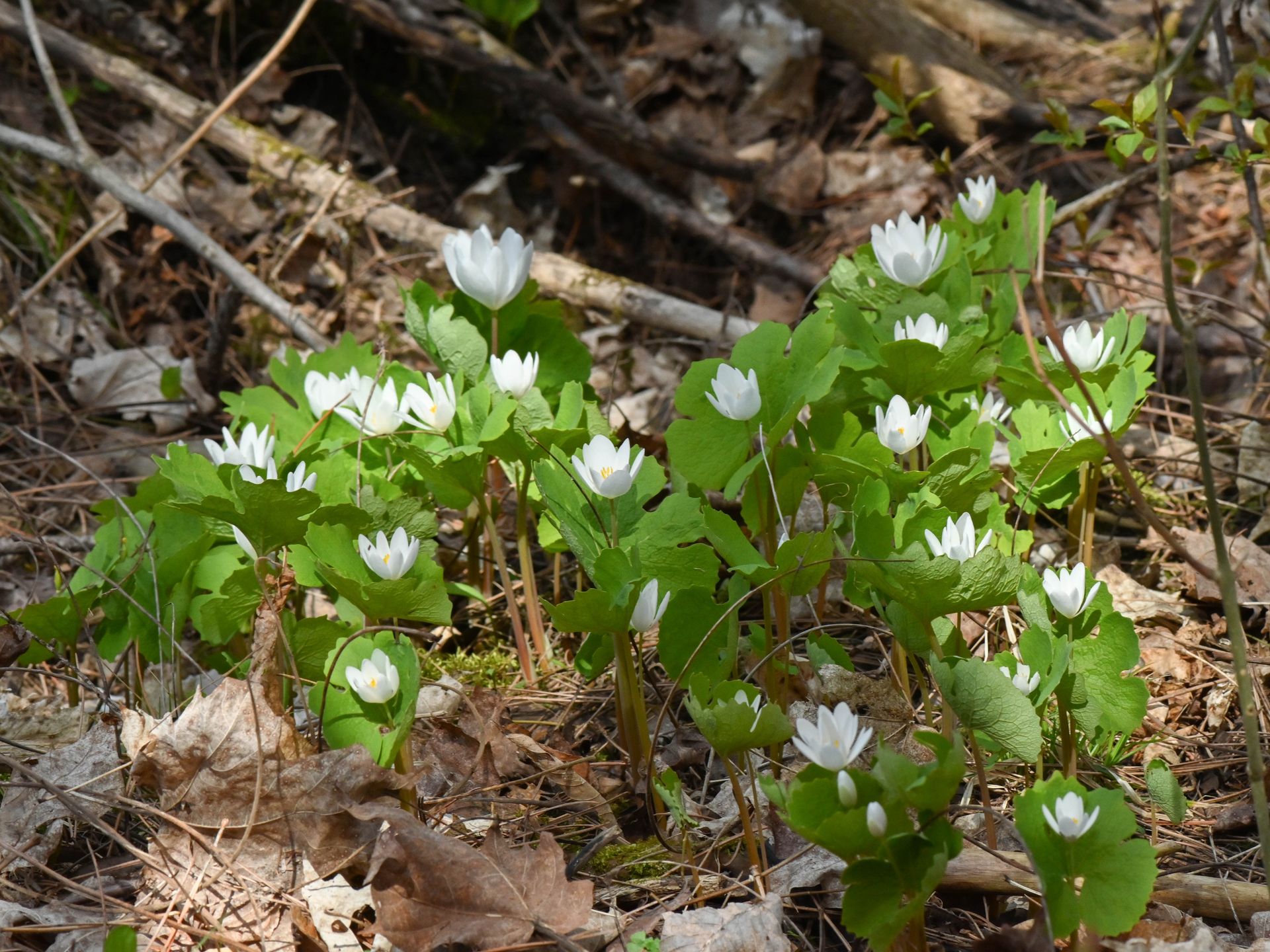
By Mark McLean Spring brings a quiet renewal of life after a long winter. As the snow melts in April and before the trees leaf out, the forest floor comes alive with the first wildflowers. These are known as spring ephemerals. They bloom, are pollinated, set seed, and go dormant within a short window, before the forest canopy fills in and limits the light reaching the ground. Their survival strategies are as fascinating as their beauty. Many ephemeral seeds are dispersed by ants, which collect them for their protein-rich coating and later discard them in their nest compost, a nutrient-rich environment that provides an ideal place to grow. These early blooms also play a vital role in supporting pollinators. Bumblebees, mason bees, mining bees, hoverflies, and bee flies are among the first insects to emerge, relying on these flowers for nectar and pollen. Butterflies such as mourning cloaks, which overwinter as adults, also depend on these early food sources. Some trees, including red and silver maple, flower at this time as well, providing an important early source of nectar. By May, familiar favourites like trilliums are in bloom. Around the same time, wild leeks, stinging nettles, dandelion greens, and morel mushrooms begin to appear. You can spot many of these species at Marsh’s Falls Nature Reserve in early spring. Protecting forests like these helps ensure that spring ephemerals and the pollinators they support continue to thrive across the Lake of Bays region.
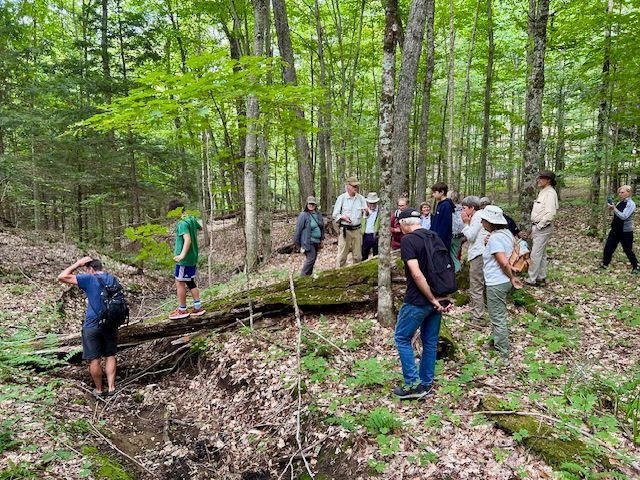
By Mark McLean Mushrooms can appear from early spring through late fall, but August and September are typically when the greatest diversity of species is found in Muskoka’s forests. The mushrooms we see emerging from the forest floor are the fruiting bodies of fungi that live underground. The unseen part of the organism consists of a vast network of thread-like structures called hyphae, collectively known as the mycelium. Most of these mushrooms are mycorrhizal, meaning their hyphae have formed a connection with the roots of plants including trees. Through this connection, the fungus receives carbon produced by the plant through photosynthesis, while the plant gains access to essential nutrients such as phosphorus and nitrogen, which the fungus is able to break down and extract from the soil. This mutually beneficial exchange depends on one critical factor: water, which acts as the medium that allows nutrients to move between partners. From July through October of 2025, Muskoka received only a fraction of its usual precipitation, combined with periods of unusually high temperatures. As a result, plants shifted into survival mode. While older trees can often endure short-term drought, younger trees may struggle. Because mushrooms consist of up to 95% water, dry conditions dramatically reduce the ability of the fungus to form fruiting bodies. When water is scarce and plants stop sharing resources, fungi simply do not produce mushrooms. These conditions were clearly reflected during the August mushroom forays in 2025. Compared to the previous two years, approximately 60% fewer mushroom species were observed—a striking illustration of how closely fungi are tied to moisture levels and forest health. Most of the mushrooms that were found last year were growing on living or dead trees and most of those were polypores. Here are a few examples of polypore mushrooms.
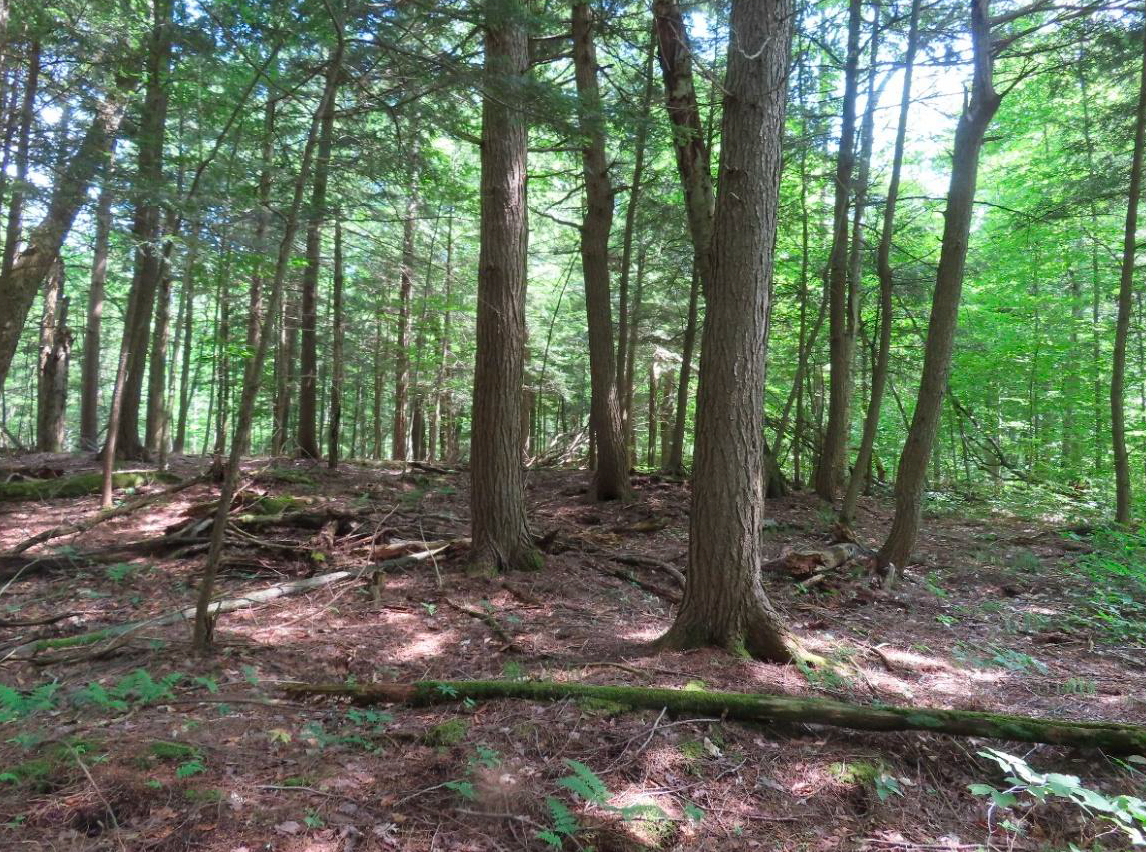
Westermain Woods Inc. donates 350 acres to the Lake of Bays Heritage Foundation for protection in perpetuity.
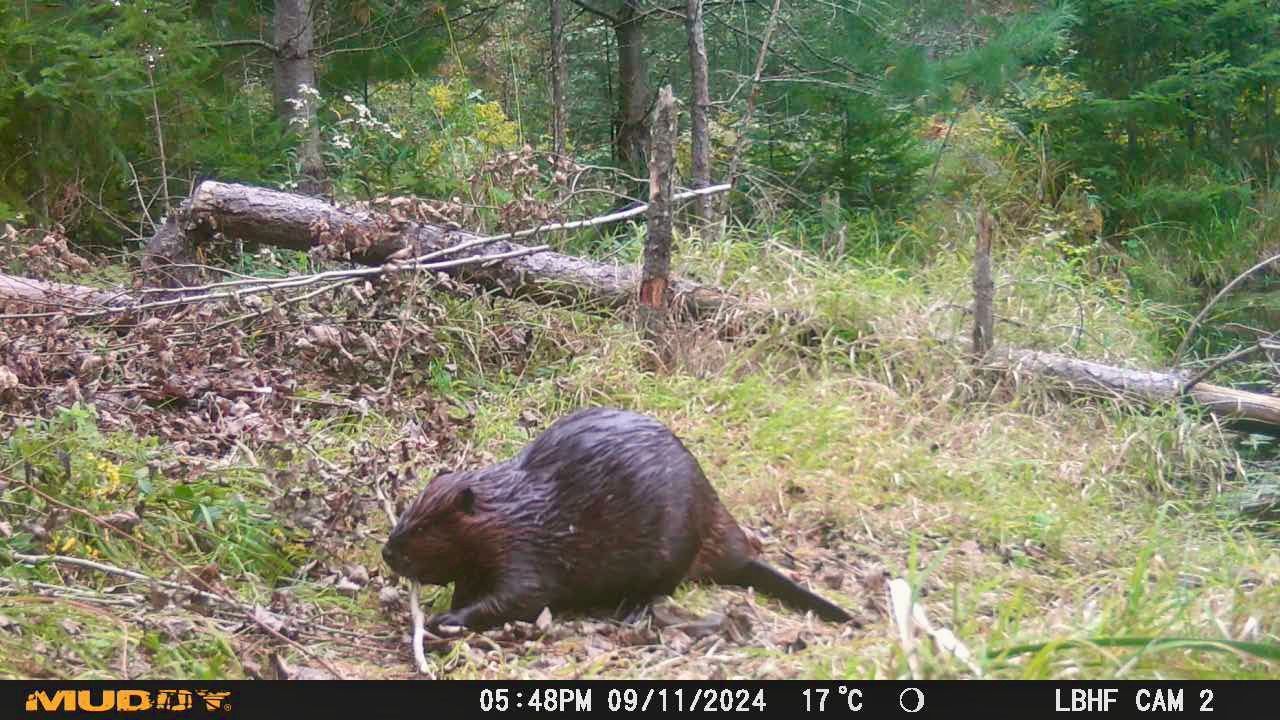
Beaver drama in the wild!
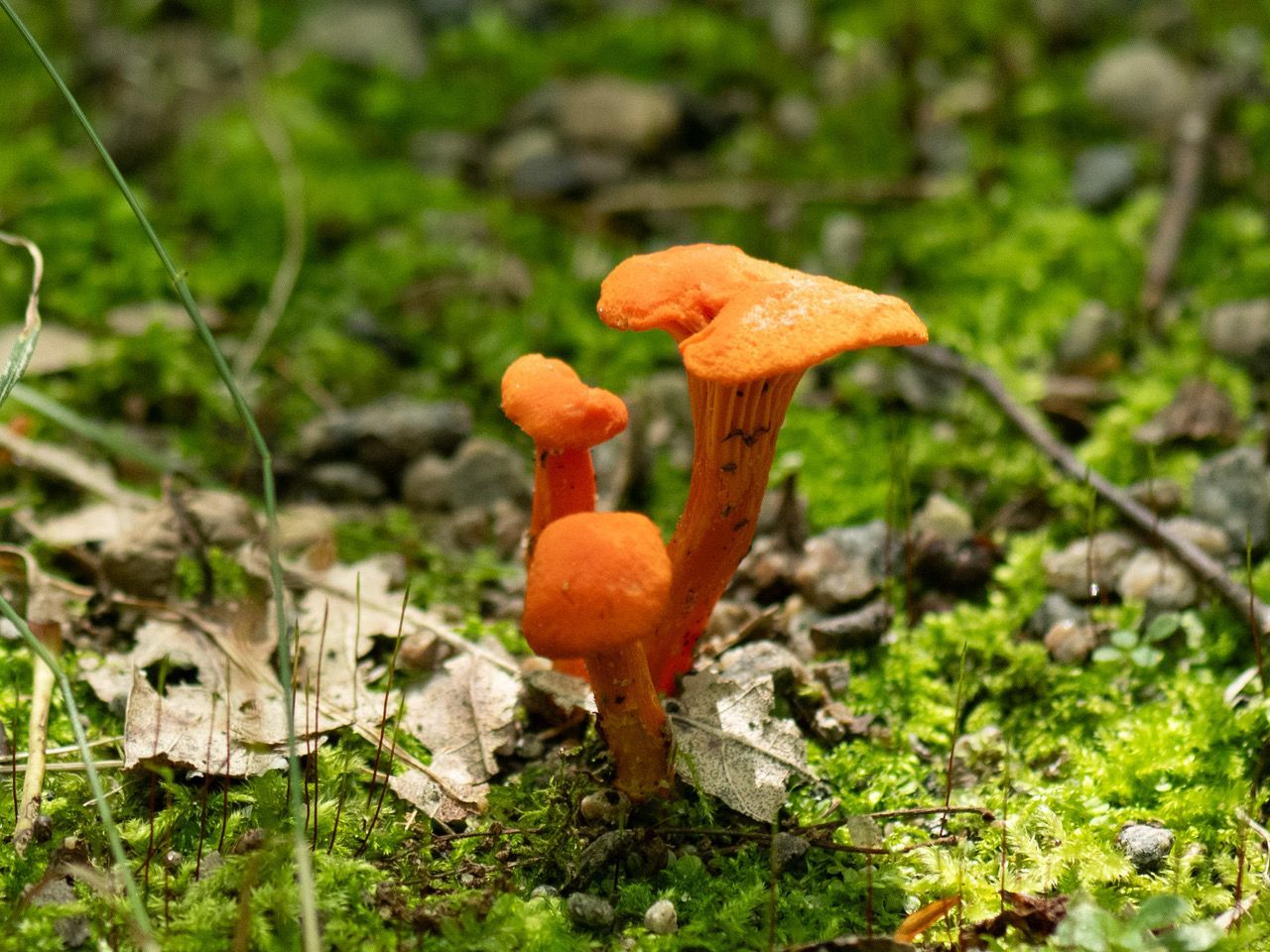
Aug 18 Foray on the Bondi Resort trails, Port Cunnington It was another great foray. There was an enthusiastic group - a few returning from last year and several new people. Despite dire predictions it only rained briefly. Here's what we found: Hydnum repandum, Wood Hedgehog Sarcodon sp. Gymnopus dryophilus, Oak-loving Gymnopus Marasmius siccus, Orange pinwheeel Marasmius rotula, Collared Parachute Marasmius pulcherripes, Rosy Parachute Hymenopellis furfuracea, Beech Rooter Hygrocybe coccinea, Scarlet Waxcap Hygrocybe miniate, Vermillion Waxcap Humidicutis marginata, Orange Gilled Waxcap Ramaria botrytis, Rosso Coral Coprinopsis lagopus, Hare’s Foot Boletus sensibilis, Curry Bolete Ramaria formosa, Yellow-tipped Coral Retiboletus ornatipes, Ornate Bolete Lactarius sp. (white latex) Tricholomopsis decora, Decorated Mop Mycena leana, Orange Mycena Tremellodendron Schweinitzii, Jellied False Coral Xeromphalina Campanella, Pinewood Gingertail Cantherellus cinnibarinus, Red Chanterelle Coltricia Perennis, Brown Funnel Polypore Fomes Fomentarius, Hoof Fungus Ganoderma applanatum, Artists Shelf Entoloma Salmonium, Salmon coloured Amanita Flaviconia, Yellow Patches Craterellus ignicolor, Flame Chanterelle Boletinellus meruilioides, Ash-tree Bolete Trametes versicolor, Turkey Tails Scleroderma citrinum, Pigskin Poison Puffball Lycoperdon Marginatum, Peeling Puffball Clitocybe adirondackensis Russula Brevipes, Short-stemmed Russula Variata, Variable Russula Hygrocybe flavescens, Golden Waxcap Marasmius pulcherripes, Rosey Parachute Leotia lubrica, Jelly Babies Leotia viscosa, Chicken Lips
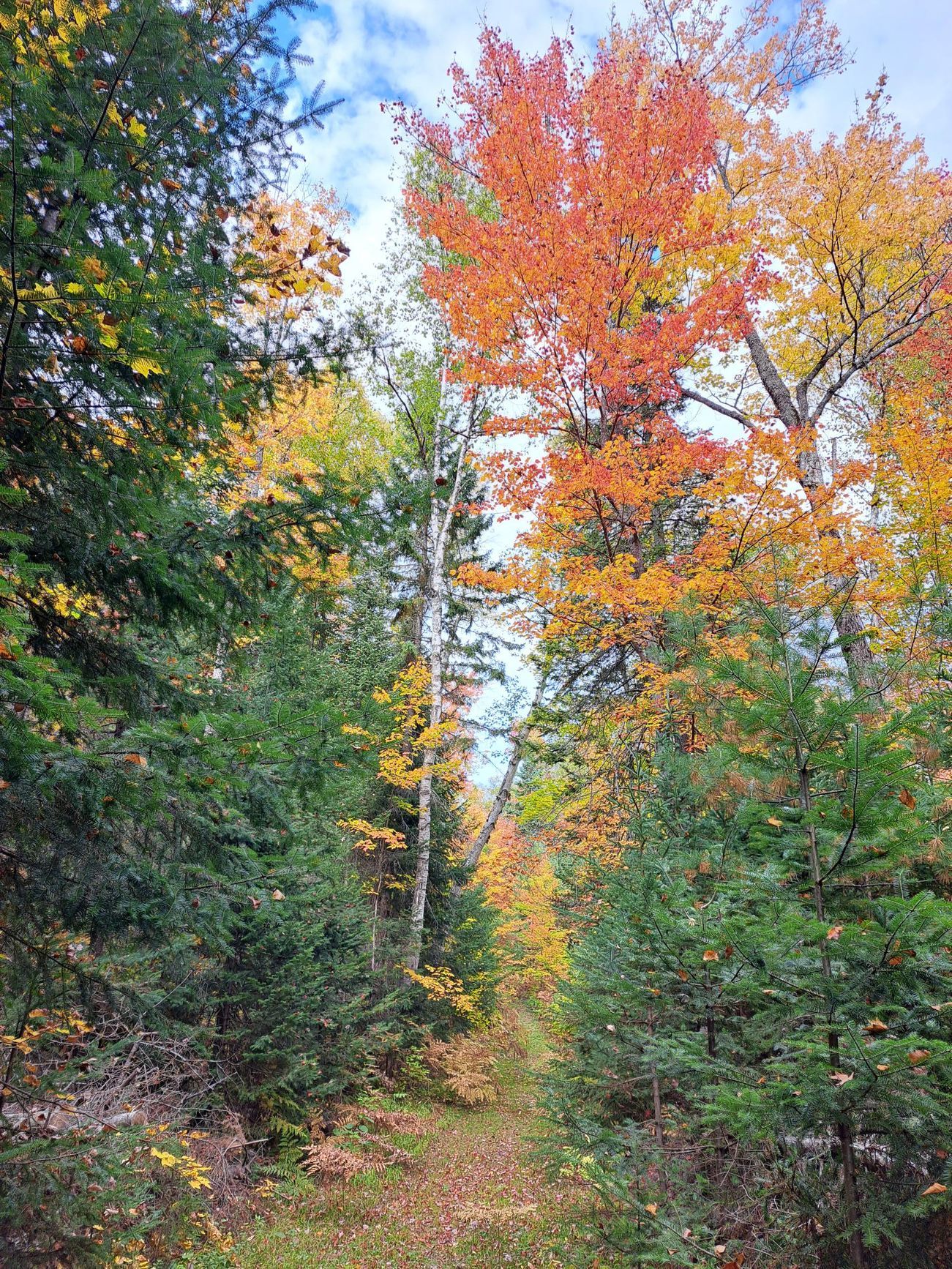
Why are native trees so important? It might be easy to think that there are enough native trees and shrubs in Ontario so planting a few non-native species on our properties should be fine. But recent research has shown that although birds may land on those non-native plants, they don’t get much benefit from them. Dr. Eric Davies from the Faculty of Forestry at the University of Toronto led a very important research project in Toronto where he selected four native tree species (Silver Maple, Red Oak, White Ash, American Elm) and compared the insect abundance and diversity to four non-native species (Norway Maple, Manitoba Maple, Scotch Elm, Tree of Heaven). His results were conclusive – native trees supported a wider variety and abundance of pollinators, moths, beetles, and other invertebrates. In fact, the non-native trees were almost devoid of insects. This really shouldn’t come as a surprise as it has been known for centuries that some non-native plants would be “pest free” as no insects would eat the leaves. This is exactly why so many urban landscapes use non-native plants. But we now know that to maintain and even enhance ecological integrity, we need to minimize forest fragmentation and protect wildlife corridors. And this is the role that Lake of Bays Heritage Foundation, as a land trust, can play with our protected properties. But we can also do our part on our own properties and restore ecological opportunities by switching to native species. And the results should be obvious – more birds in your backyards!